Showing posts with label Child Health. Show all posts

Sunday, September 11, 2011

Study: Pesticides Cause Hyperactivity in Children

Ingesting pesticides may lead to your child developing attention deficit hyperactivity disorder (ADHD), according to a new US study. Research published in the journal Pediatrics showed that common pesticide chemicals found in food and also in the home significantly increases the risk of ADHD in kids.

The researchers concluded that parents should try to buy organic, pesticide-free foods for their children. Also, women who are trying to become pregnant should begin eating a mostly organic diet at least 6 months before conception, then throughout the pregnancy, continuing until the baby has stopped breast feeding.

According to public health expert Phil Landrigan, MD:
"It's mainly exposure through food. Diet is the driver... For most people, diet is the predominant source. It's been shown that people who switch to an organic diet knock down the levels of pesticide by-products in their urine by 85 to 90 percent."
Many experts believe it's also important to reduce or eliminate the amount of toxic pesticides in and around your home. That means using organic gardening and weed-control methods, as well as non-toxic bug/pest control methods.

We say: It's a damn shame that kids in in the United States -- and much of the world for that matter -- have to endure constant exposure to dangerous pesticides and other environmental chemicals. If we know that certain pesticides cause harm in kids -- especially those designed to alter the neurological systems of pests -- why are they still legal to be used in our food production systems??

Learn some mo': Pesticides in food linked to ADHD in kids

Monday, August 1, 2011

Fish Oil/DHA Supplements During Pregnancy = Stronger Baby Immune Systems

Taking fish oil supplements -- or possibly any type of DHA supplement -- during pregnancy may make your baby's immune system stronger. A new study shows that the babies of women taking fish oil/DHA supplements got sick less often and for shorter periods of time than babies of women who didn't take the healthy fat supplements.

DHA -- or docosahexaenoic acid -- is one of the omega-3 fatty acids found in fish oil, krill oil, and other marine supplements. Many health experts have long said that DHA supplements (and other omega 3 fat supplements) can significantly improve the health of both a baby and its mother. There is a strong connection between omega 3 fat intake and immune system boosting in humans. There is also some evidence that high omega 3 intake during and after pregnancy leads to smarter children.

Some experts believe that it's extremely important for women to eat large amounts of cold water fish and omega 3-rich seafood during pregnancy. But many doctors often urge against it because of the high levels of mercury and other toxins that are now found in most marine animals. A good fish oil or high-quality krill oil supplement may allow a women to enjoy the baby health-boosting benefits of DHA without the risks!

Learn some mo': Fish oil in pregnancy may ward off babies' colds

Wednesday, June 8, 2011

Industrial Chemicals Causing Jump in US Autism Rates?

Autism in children may be caused by toxic chemicals in everyday products, according to new research. Currently, about 1 in 110 children in the US has some form of autism and the numbers are increasing rapidly... too rapidly to be explained simply by genetics, increased awareness, or a broader definition of the condition.

Experts say that increasing amounts of environmental chemicals could be the primary cause of the jump in autism rates. Some children appear have more genetic susceptibility to toxic chemicals, causing the development of autism in the womb and possibly after birth.

(Interestingly, a recent study showed that women with high-risk autism genotypes who took prenatal multi-vitamins were less likely to have a child with autism. But the study was relatively small and not definitive.)

Environmental health experts are calling for more government regulation of the chemicals used in household products and released into the environment every day. According to the Director of Program Research at The Autism Society, Donna Ferullo:

"We live, breathe and start our families in the presence of toxic chemical mixtures and constant low-level toxic exposures, in stark contrast to the way chemicals are tested for safety... Lead, mercury, and other neurotoxic chemicals have a profound effect on the developing brain at levels that were once thought to be safe."

The brain and central nervous system of a fetus is extremely sensitive to a wide array of chemicals, especially ones that disrupt hormones like androgens and estrogens. Certain pesticides, traffic pollution, flame-retarding chemicals used in things like furniture, the common plastics chemical Bisphenol A (BPA), and a variety of anti-microbials found in soaps and cosmetics have all been shown to interfere with natural hormone production. And they could all definitely play a role in autism.

New Jersey Senator Frank Lautenberg has proposed stricter regulations on industrial chemicals, forcing companies to more carefully test their products for safety. We sincerely hope he succeeds!

Learn some mo': Scientists warn of chemical-autism link

Monday, May 30, 2011

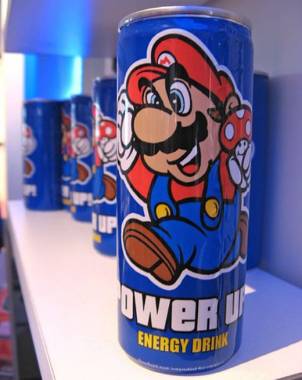
"Kids, Avoid Energy Drinks!" Say American Doctors

Some American doctors have a new message to kids and teens: stop drinking energy drinks! They also say that young people should consume fewer "sports" drinks like Gatorade. Simply put, all those stimulants, sugars, vitamins, herbal extracts, and a ton of other chemicals are not good for people whose bodies and brains are still developing.

According to Dr. Holly Benjamin, of the American Academy of Pediatrics:
"Children never need energy drinks... They contain caffeine and other stimulant substances that aren't nutritional, so you don't need them... If you drink them on a regular basis, it stresses the body... You don't really want to stress the body of a person that's growing."
Experts say that the variety of energy-boosting ingredients in energy drinks may have serious side effects that we don't yet know about, especially in kids. Caffeine and other stimulants speed up the pulse and can disturb heart rhythm. In rare cases they can even cause seizures.

A recent report from a group of Florida pediatricians described cases of heart problems, delusions, seizures, and kidney and liver damage in people who drank one or more energy drinks per day, including popular versions like Red Bull and Redline (an energy-booster/fat-burner sold in many supplement stores). They say that the cases are rare but it's obvious that children shouldn't be risking their health with these products.

We say: It's completely crazy that so many kids are drinking this stuff in such huge amounts. The energy drink market is expected to reach $9 billion in 2011, and children and young adults account for half of that -- $4.5 billion dollars in sales. What's especially crazy is that many of these kids are chubby little video game players/couch potatoes who DEFINITELY don't need extra stimulants, sugars, and calories in their diets!

Learn some mo': Stay away from energy drinks, doctors say

Friday, March 25, 2011

Kids Need More Vitamin D to Avoid Allergies & Asthma

Kids who have low levels of vitamin D tend to have more allergies, according to a new study from the Albert Einstein College of Medicine at Yeshiva University. They found that children with low or "deficient" vitamin D blood levels were a lot more sensitive to allergens than kids who had higher levels of the nutrient.

One example: children who had very little vitamin D in their bodies (less than 15 nanograms per milliliter of blood) were 240% more likely to have the dangerous peanut allergy that has become more common in recent years. Experts say that this confirms the findings of a 2007 Harvard study. That study showed more sunlight exposure reduces the risks of both allergies and asthma in children. The study also found that pregnant women with low vitamin D levels were much more likely to have babies with allergies and/or asthma than women with higher levels.

The bottom line: let your kids play outside in the sun more, give them more vitamin D-rich foods, and/or consider giving them vitamin D supplements. And do the same yourself if you're pregnant or nursing!

Learn some mo': Vitamin D deficiency may be a factor in development of allergies

Thursday, December 9, 2010

Natural Cure for Children's Irritable Bowel Syndrome: Probiotics

Taking doses of probiotics, or "good bacteria," can help to treat and even cure the stomach pain many children experience on a frequent basis due to irritable bowel syndrome (aka IBS). Results of a new study showed that the probiotic bacteria "Lactobacillus rhamnosus GG" or LGG can significantly lower the severity and frequency of abdominal pain (including both stomach and intestinal pain) in kids who suffer from the increasingly common health problem.

Experts believe that the probiotic treatment may help to improve the balance of good and bad bacteria in children's digestive systems. Also, good bacteria has been shown to have an anti-inflammatory effect on the linings of the stomach and intestines.

Here's the best news: even after treatment was stopped, children who took the probiotic supplement experienced less IBS-related pain for several weeks. That shows that taking doses of "good bacteria" may be a long-lasting natural cure for children's tummy pain... good news for all worried mothers! :)

Learn some mo': 'Good' bacteria help kids with stomach pain

irritable bowel syndrome

Sunday, October 3, 2010

Empty Calories Making US Kids Unhealthy

Empty calories are hurting the health of children and adolescent kids in the United States according to a new report from the American Dietetic Association. Experts say that the obesity epidemic among US kids has become one of the biggest public health problems. Many people that the solution will involve a combination of diet changes and physical exercise. But the biggest change that must be made now?

Stop the flow of empty calories into kids diets!

American children are simply consuming way too much energy in the form of empty calories, mainly from refined sugars and refined "white" grain products (like pizza and desserts). If your child is consuming large amounts of soda, chips, pizza, candies, and other junk food he or she is much more likely to be overweight and suffer from serious health problems later in life.

Another form of empty calories comes from low-quality fats like the trans-fats found in many processed foods. Many health experts believe that the combination of bad fats and bad carbs (especially simple sugars and refined flours) is especially dangerous because the carbs cause a spike in insulin production within the human body. This in turns causes the body to shuttle the empty calories from the fats and carbohydrates into the body fat cells, greatly increasing the amount of stored fat on a child

According to Dr. Rae-Ellen W. Kavey from the University of Rochester Medical Center:

"High added sugar consumption which occurs most commonly in the form of sugar-sweetened beverages is associated with a constellation of cardiovascular risk factors, both independently, and through the development of obesity. Multiple studies have shown that presence of these risk factors in childhood is associated with accelerated atherosclerosis and early cardiovascular disease. Randomized trials of nutritionist-guided interventions show us that diet change can be accomplished and is associated with important cardiovascular benefits. This combined body of evidence suggests that reducing consumption of sugar-sweetened beverages should be considered a critical dietary approach to reducing cardiovascular risk in childhood."

Learn some mo': Flow of empty calories into children's food supply must be reduced

Wednesday, January 6, 2010

Spanking Kids Makes Them More Well-Adjusted

Adults who remember being spanked as children tend to be more well-adjusted than those who don't, according to new research from Calvin College. Professor Marjorie Gunnoe -- who has studied spanking for over 10 years -- says that children who are spanked on their rear-ends with an open hand tend to do better academically, are more optimistic later in life, and even do more volunteer work! This research directly contradicts claims by some supposed "experts" that spanked children tend to be more aggressive and have other development problems.

To us, it sounds like this new research just supports what most parents the world over know in their hearts: a good spanking every now and then -- at the right moment -- teaches kids what is right and wrong and can help to keep them from becoming juvenile delinquents and/or loser adults!

Learn some mo': Is spanking children OK?

Tuesday, December 15, 2009

Children's Swine Flu Vaccine Recalled

Nearly 800,000 doses of H1N1 swine flu vaccine for children have been recalled by drug manufacturer Sanofi Pasteur. According to US health officials the doses appear to have lost a significant amount of potency, meaning that they may not be effective for protecting against the swine flu in some cases. The good news is that the weaker vaccine doses pose no safety risk and it also shows that the drug company itself is routinely testing their vaccines to make sure that they're up to par. Also, since the recalled vaccine is only slightly below the required potency level children who received it probably don't need to be vaccinated again. In most cases they slightly weaker vaccine should be enough to provide enough immunity to protect the child against H1N1.

Read some mo': Large Recall of Children's Swine Flu Vaccine